
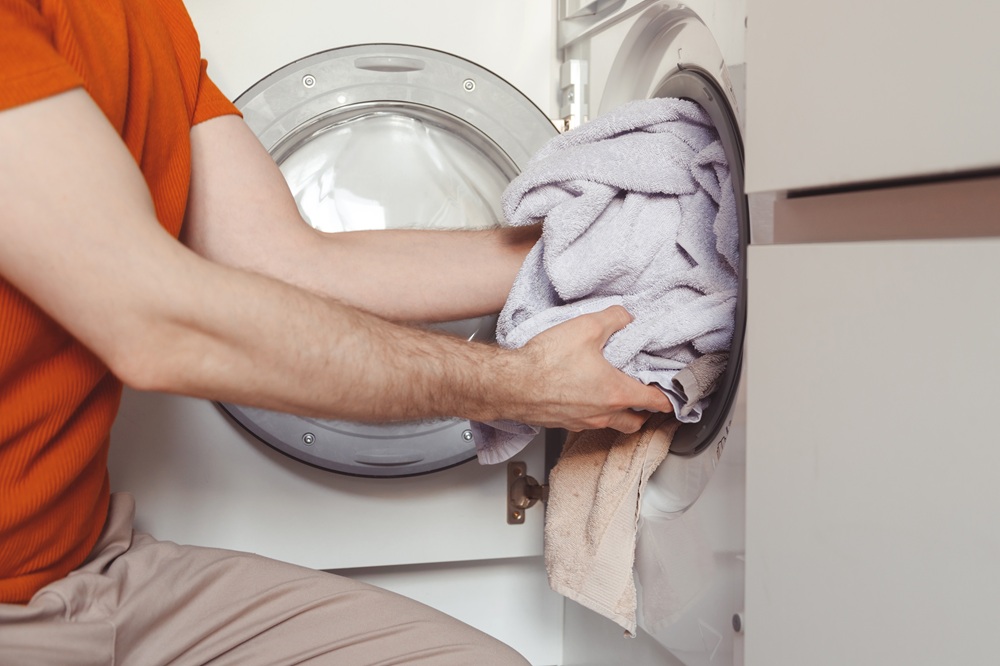
In the hopes of finishing a load before heading out, you grab whatever’s in the hamper and press start. It saves time up front, and sometimes that’s all you’re thinking about. Most of the time, nothing seems obviously ruined, yet that doesn’t mean everything came through unharmed.
Fabrics differ in thickness, surface texture, and how they respond to friction. When certain items mix, they can pull, snag, shed lint, or transfer dye without showing signs immediately. The effects often reveal themselves slowly.
To help you avoid those issues, we walk through the laundry items that should always be separated and what can happen when they aren’t.
Towels and Delicate Fabrics
Towels feel soft in your hands, but inside a washing machine, they act like sandpaper. They’re thick, absorbent, and heavy when wet, which means they create friction against lighter, fragile materials. Delicate fabrics, on the other hand, are built for comfort and appearance, not impact. When these two share a load, the damage isn’t dramatic but gradual and expensive.
Abrasion damage
Terry cloth loops rub repeatedly against silk, lace, rayon, or thin cotton. That friction weakens fibers. Give it enough time, and the signs show up in thinning fabric, little tears, or rough spots that weren’t there before.
Lint transfer
Towels shed a lot. Once lint grabs on to delicate materials, it can embed itself, especially in dark or synthetic fabrics. And no matter how strong your dryer, it won’t undo all of the damage.
Reduced fabric lifespan
The constant rubbing and lint buildup shorten the wearable life of delicate garments. What should last years starts looking worn after a few months.
*Professional Wash and Fold Laundry Service providers always separate towels for this reason. Garments are grouped by how heavy or delicate they are, not just by shade. If you want to protect delicate pieces, give them space, or better yet, let professionals handle them on a gentler cycle.*
Heavy Items and Lightweight Garments
A pair of jeans doesn’t just weigh more than a blouse – it behaves differently in water. Once soaked, heavy fabrics become even more dense and forceful as they tumble. Lightweight garments don’t stand a chance in that environment.
Uneven agitation
Heavy pieces absorb more water and sink, while lightweight garments float and twist around them. That imbalance causes aggressive movement in certain areas of the load.
Stretching
Thin straps, waistbands, and soft knits get pulled during the spin cycle. That tugging weakens elasticity and seams.
Shape distortion
Lightweight tops can wrap around bulkier items, stretching necklines and sleeves out of form.
*In professional Wash and Fold Laundry Service operations, loads are sorted by fabric weight to prevent this exact issue. Keep heavy fabrics in one load and lighter garments in another.*
Dark Denim and Light-Colored Clothing
Denim brings personality to your wardrobe, but it also carries heavy dye, particularly in darker or newer pairs. New jeans can release indigo dye in the first few washes. And when that happens, lighter garments are usually the first to show the damage.
What you risk:
Dye bleeding
Dark denim releases excess dye molecules into the wash water. Warm water speeds this process. Even one cycle can cause visible tinting.
Transfer risk
Physical contact makes it worse. If white or pastel garments press against dark jeans, color transfer becomes direct, not just diluted in water.
Permanent discoloration
Once dye sets into lighter fibers, reversal is extremely difficult. Stain removers often weaken fabric further.
*At a professional Wash and Fold Laundry Service, dark denim isn’t mixed in casually. It’s isolated during the first few washes and cleaned with cold water to control dye transfer. You should do the same at home: dark jeans go with dark loads. No exceptions.*
Zippered Items and Knit Fabrics
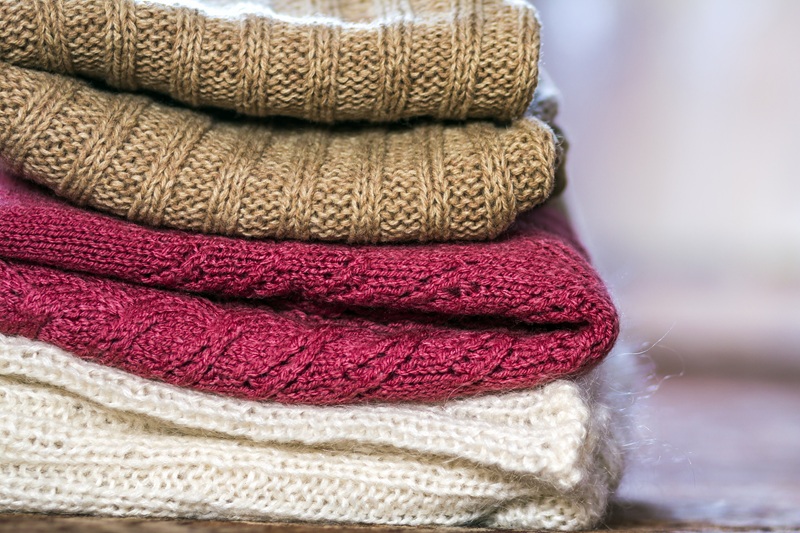
Zippers seem harmless until the spin cycle starts. At high speeds, those metal teeth turn into snag points. Knit fabrics, especially sweaters and soft tees, are the first to suffer.
Common damage includes:
Snagging
Zippers catch loose-knit loops. One snag can pull an entire row of stitching out of alignment.
Pilling
Friction between textured surfaces roughs up knit fibers, causing those tiny fabric balls that make clothes look old.
Thread pulls
Once a thread is pulled, the garment’s surface becomes uneven. Repair is possible, but rarely invisible.
*Professional Wash and Fold Laundry Services know small details, such as fastening zippers and checking buttons, play a big role in garment longevity. At home, make it a habit to zip items all the way and wash them inside out.*
Lint-Producing Fabrics and Performance Wear
Performance wear is engineered differently. It’s designed to wick moisture, breathe, and stretch. That technical construction doesn’t pair well with lint-heavy fabrics like fleece or towels. When these items mix, performance clothing pays the price.
What happens inside the drum:
Microfiber contamination
Fleece and cotton shed microscopic fibers. Those fibers cling to synthetic athletic materials and embed into the weave.
Reduced breathability
When lint fills tiny ventilation spaces in moisture-wicking fabric, airflow decreases. Your gear doesn’t perform the same way.
Surface residue
Lint buildup changes texture and appearance, especially on black leggings or athletic tops.
*Professional Wash and Fold Laundry Services know to separate lint-producing fabrics from performance wear. At home, make it a habit to wash these items separately.*
Heavily Soiled Items and Everyday Clothing
Light sweat from daily wear is very different from ground-in mud, grease, or food stains. When heavily soiled garments mix with lightly worn pieces, contamination spreads.
Here’s what you risk:
Soil redepositing
Dirt particles loosen during washing. If the water becomes overloaded, the soil settles back onto other garments.
Odor transfer
Strong smells from work clothes or kitchen towels can cling to everyday clothing.
Cross-contamination
Bacteria from heavily soiled fabrics can spread if water temperature and detergent levels aren’t sufficient.
*A structured Wash and Fold Laundry Service groups laundry by soil level so dirt doesn’t redeposit onto cleaner items. You can do the same at home by washing grimy workwear separately from the rest of your wardrobe. The difference is immediate.*
Don’t Let Simple Mistakes Ruin Great Fabrics – Choose Pristine Fine Dry Cleaning for Reliable Garment Care
The smartest way to save money on clothing is to make what you own last longer, and that starts with professional care from Pristine Fine Dry Cleaning. Discover Naples’ premier Wash and Fold Laundry Service with us. Our team brings over four decades of experience, advanced cleaning systems, and careful fabric classification to every load, from home essentials to commercial textiles.
Experience total laundry care with FREE Pickup and Delivery Service, medical-grade sanitation, environmentally friendly detergents, and detailed stain treatment to every item in your laundry bag.
Contact Pristine Fine Dry Cleaning today, or schedule your dry cleaning and laundry services online.
Online Scheduling: https://bestdrycleaningnaples.smrtapp.com/custx/login
📍 506 9th Street N, Naples, Florida, 34102
📍 4596 Tamiami Trail N, Naples, Florida, 34103
📞 Phone: (239) 722-5242