
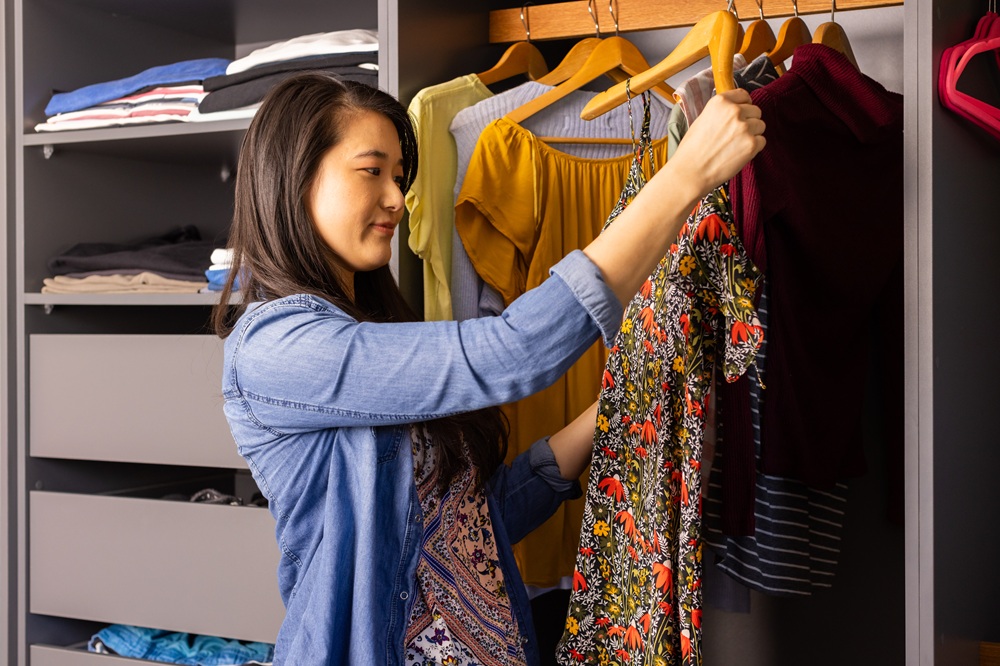
Most closet cleanouts follow the same pattern. You pull out everything, try on items, make quick decisions, and end up with a donation pile. A lot of what goes into that pile isn’t worn out, stained, or genuinely unwanted. It just doesn’t fit quite right, and at the moment, that feels like enough of a reason to let it go.
It usually isn’t.
The majority of fit issues that send clothes to a donation bag are exactly the kinds of problems a skilled tailor fixes every single day. A hem that’s too long. Sleeves that swallow your hands. A blazer that fits through the shoulders but billows through the waist.
So before your next cleanout, go through these categories first. You may find a significant portion of your discard pile is actually a few alterations away from being wardrobe staples.
Dresses That Fit the Waist but Not the Length
Hemming is one of the most common alterations tailors perform, and for good reason. Length is one of the easiest dimensions to change on a garment and one of the most impactful for how it looks and feels when worn.
Hemming also applies to asymmetrical hems that have shifted over time, to lining that has dropped below the outer fabric, and to dresses where the original length worked for someone taller than you. If a dress fits well everywhere except the hem, that is genuinely one of the simplest fixes in tailoring. The fact that it sits in a donation pile rather than your closet is almost always more about not knowing it can be fixed than about the dress actually being unwearable.
Before you let it go, try it on one more time and note where you’d want the hem to hit. A tailor can mark it, confirm it, and have it done within days.
Pants That Fit the Waist but Break Incorrectly at the Hem
Pants that bunch heavily around the ankle, pool over your shoes, or create multiple horizontal folds across the shin don’t look fitted or intentional. They look like someone else’s pants.
This is almost always a length issue, not a fit issue. The waist is right. The seat fits. The legs are the right width. The pants are simply too long for your inseam, which is an extraordinarily common problem given that most trousers are sold at a standard length designed to be hemmed to the wearer.
A hem adjustment on trousers is fast, inexpensive, and one of the alterations that produces the most visible improvement relative to the time and cost involved. Pants that looked sloppy or overly casual can read as sharp and well-fitted with nothing changed except an inch or two at the bottom.
Jeans fall into this category, too. Many people own jeans they genuinely like in every way except the length and simply never get them hemmed. If those are in your discard pile, take them to a tailor before putting them in the donation bag. The cost of a hem is a fraction of the cost of replacing them.
Jackets or Blazers With Sleeves That Extend Too Far
Sleeve length on structured garments is one of the most telling details in how a jacket or blazer reads on the body. The standard is that the jacket sleeve should end where the shirt cuff begins, showing roughly a quarter to half an inch of shirt beneath. When a jacket sleeve extends past the wrist or covers the hand, the entire garment looks too large, regardless of how well it fits through the shoulders and chest.
Sleeve shortening on suits and blazers is a standard tailoring adjustment. It requires more care than a simple trouser hem because of the way structured sleeves are constructed, particularly on suits with functional buttonholes, but it is entirely routine work for a qualified tailor.
This applies to casual blazers, sport coats, suit jackets, and structured coats. If the shoulders sit correctly and the chest fits well, those are the two dimensions that are genuinely difficult to alter. Sleeve length is not. A jacket that fits through the upper body but has sleeves that are too long is a jacket worth keeping and taking to a tailor, not donating.
Shirts or Tops That Feel Too Boxy Through the Body
A top that fits through the shoulders but hangs loosely through the torso creates a silhouette that reads as shapeless regardless of what it’s paired with. Boxy shirts and oversized tops have their place in a wardrobe, but a garment meant to be fitted that simply runs large is a different matter entirely.
Taking in the side seams is how a tailor addresses this issue. The adjustment involves bringing in the seams along the sides of the body to create a closer fit through the torso, which immediately changes how the garment reads. It works on button-down shirts, blouses, fitted tees in heavier fabrics, and many woven tops. The alteration is clean, the original garment structure is preserved, and the result looks like the top was cut to fit rather than altered after the fact.
Vintage or Thrifted Pieces With Great Fabric but Poor Fit
Vintage and thrifted garments are some of the best candidates for alteration in any wardrobe. The reason is this: pieces made decades ago were often constructed with heavier fabric, stronger stitching, and more durable hardware than comparable garments produced today.
The fit, however, reflects the sizing standards and silhouette preferences of a different era, which means a beautifully made vintage blazer or a well-constructed thrifted dress can feel unwearable simply because it was built for a different body shape than the one wearing it.
Before passing on a vintage or thrifted piece because the fit is off, evaluate the fabric and construction first. If the material feels substantial, the seams are clean, the lining is intact, and the overall construction looks solid, that garment is a good candidate for alteration. Poor fit in a well-made garment is a tailoring problem, not a reason to discard something that could become one of the most-worn pieces in your closet.
Formalwear That No Longer Fits Quite Right
Formal garments are among the most worth altering because of the cost involved in replacing them. A suit bought for one occasion but worn rarely afterward, a formal dress purchased for a wedding that doesn’t fit the same way two years later, event attire that was fitted at the time but has since shifted: these are all garments where the cost of alteration is minor relative to what replacement would require.
Bodies change. Weight fluctuates, posture shifts, and the way clothes fit from one year to the next isn’t always consistent. A suit that was perfect at purchase and now feels slightly tight through the chest or loose through the waist hasn’t become unwearable. It’s become a suit that needs to be re-fitted, which is a normal part of owning and maintaining quality formalwear.
Letting out seams, taking in the waist, adjusting trouser breaks, shortening jacket sleeves, and hemming formal dresses are all standard alterations on formalwear. A skilled tailor can assess which adjustments are feasible and what the realistic outcome looks like.
Garments With Minor Damage That Can Be Repaired
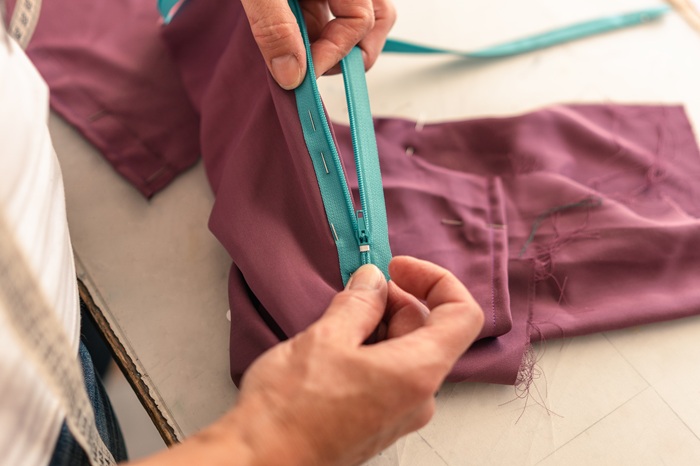
A broken zipper, a split seam, a missing button: any one of these issues can take a garment from daily rotation to the back of a drawer where it slowly gets forgotten. The frustrating part is that each of these is a repair, not a reason to discard.
Zipper replacement is one of the most common clothing repairs and one of the most satisfying in terms of results. A dress or pair of trousers with a broken zipper that has been sitting unworn for months is, in most cases, one appointment away from being fully functional again. The repair is clean, the garment looks and functions exactly as it did before the zipper failed, and the cost is a small fraction of replacing the piece.
Seam repairs restore structural integrity to garments where stitching has come loose or fabric has separated at a seam line. A jacket with a split side seam, a dress where the lining has come detached, trousers where the inner leg seam has worn through: all are repairable. In many cases the repair is stronger than the original stitching because a tailor reinforces the area rather than simply re-stitching along the original line.
Button reattachment, snap replacement, and hook-and-eye repairs are minor enough that they often get done alongside other alterations. If a garment is otherwise in good condition but has a functional closure that isn’t working, that is among the least complicated fixes a tailor handles.
The garments most worth repairing are those you’d genuinely wear again if they were in working order. If the honest answer is yes, the repair is almost always worth making.
Your Closet Has More Worth Keeping Than You Think
The donation pile at the end of a closet cleanout almost always contains garments that were given up on too quickly. A few fit issues that felt permanent, a broken zipper that never got fixed, and a dress that was almost right but not quite. In most cases, a tailor could have turned those into wardrobe staples.
At Pristine Fine Dry Cleaning, alterations and repairs are part of how we help clients get more from the clothes they already own. Our experienced tailors handle everything from simple hems and sleeve adjustments to zipper replacements and formalwear refitting, with the same attention to detail we bring to every garment that comes through our door. Instead of settling for almost right, let us help you get a fit that genuinely works.
Before you finalize that donation pile, bring in the pieces you’re unsure about for an assessment. You might be surprised how many of them are worth keeping.
Pristine Fine Dry Cleaning:
📍 506 9th Street N, Naples, Florida, 34102
📍 4596 Tamiami Trail N, Naples, Florida, 34103
Online Scheduling: bestdrycleaningnaples.smrtapp.com/custx/login